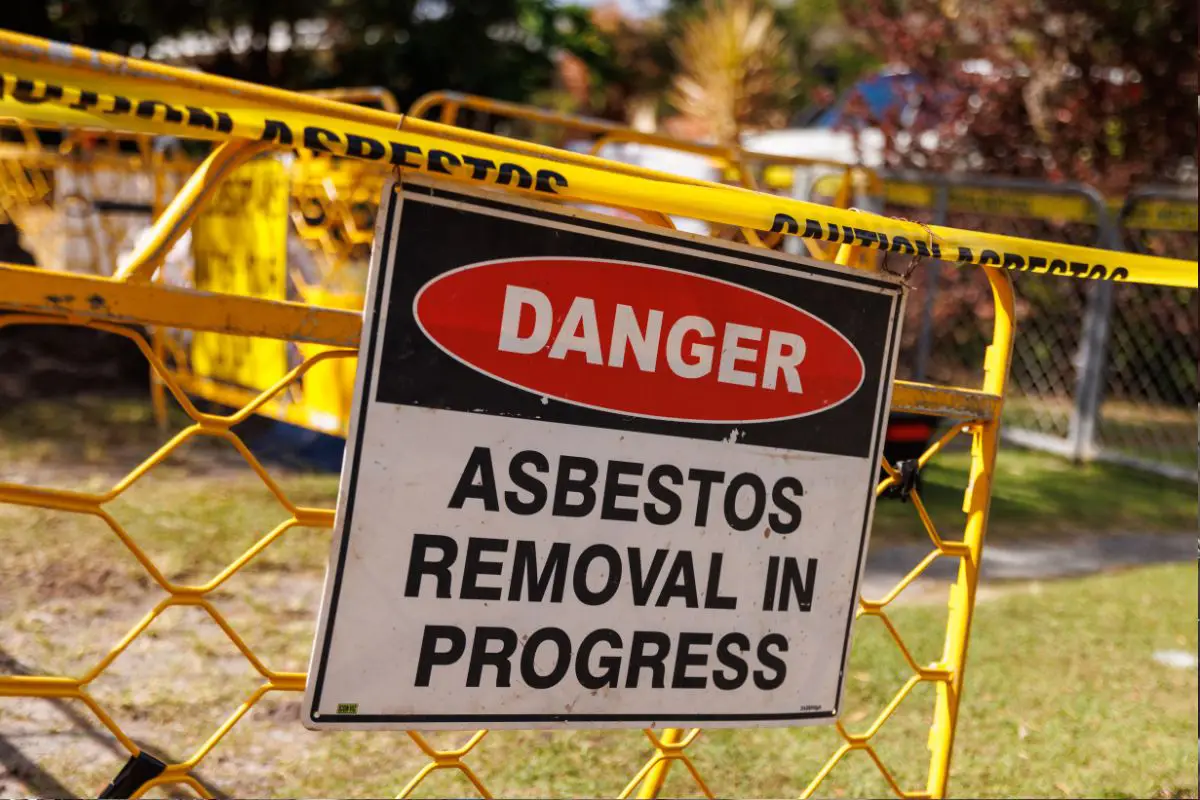
Global Asbestos Awareness Week (April 1–7): How to Protect Workers from Exposure
April 1, 2025Every year, the first week of April is Global Asbestos Awareness Week—a time to highlight the dangers of asbestos and the importance of safeguarding workers from exposure. Asbestos-related diseases can take years to manifest, making early detection and prevention critical. Occupational Care Services (OCS) is committed to helping employers and employees mitigate these risks through targeted physicals and expert guidance.
Understanding the Dangers of Asbestos
What Is Asbestos?
Asbestos is a group of naturally occurring fibers once widely used in construction, shipbuilding, and automotive industries for its heat resistance and insulating properties.
Health Risks
When asbestos-containing materials degrade or are disturbed, fibers can become airborne. Inhalation of these fibers may lead to serious conditions such as asbestosis, lung cancer, and mesothelioma. Because these diseases can take decades to develop, people exposed to asbestos might not experience symptoms until long after the initial contact.
High-Risk Occupations
Workers in industries like construction, demolition, shipbuilding, and manufacturing of asbestos products are particularly vulnerable. Even office employees in older buildings may be at risk if asbestos-containing materials are disturbed during renovations or maintenance.
Preventing and Detecting Asbestos-Related Harm
Because asbestos can cause serious long-term health risks, it’s crucial that workers in high-risk occupations be screened regularly to minimize exposure and the likelihood of long-term, critical illness. At OCS, we offer a range of services designed to safeguard workers from asbestos-related health problems.
Baseline Health Assessments
OCS physicals establish a clear health baseline for each worker. This initial snapshot includes assessing respiratory function, reviewing job history, and identifying any pre-existing conditions that could be exacerbated by asbestos exposure.
Targeted Screenings and Tests
For employees in higher-risk roles, additional evaluations—such as pulmonary function tests (PFTs) or chest X-rays—can detect early signs of asbestos-related diseases. Early identification often leads to better outcomes by allowing prompt intervention or job modifications to reduce exposure.
Comprehensive Medical Surveillance
OSHA and other regulatory bodies recommend ongoing medical surveillance for workers with potential asbestos exposure. OCS coordinates regular check-ups, ensuring consistent monitoring and tracking of changes in respiratory health over time.
Best Practices for Employers to Minimize Asbestos Exposure
Depending on the industry, contact with asbestos may be inevitable for some workers – but that does not mean they have to suffer the consequences of exposure. There are many measures employers should take to reduce exposure:
- Identify and Label
Conduct thorough building inspections to locate asbestos-containing materials. Label and restrict access to areas where asbestos is present. - Proper Handling and Removal
Hire licensed asbestos abatement professionals to manage removal or encapsulation of hazardous materials. Disturbing asbestos without proper procedures can increase airborne fibers. - Employee Training
Educate staff on the dangers of asbestos, how to recognize potential hazards, and safe work practices. Encourage immediate reporting of damaged or deteriorating materials. - Use of Protective Equipment
Provide respirators and other personal protective equipment (PPE) where risk of exposure exists. Regularly inspect and replace PPE as needed to maintain effectiveness. - Ongoing Monitoring
Keep track of renovations, repairs, or demolition projects that could disturb asbestos. Conduct air monitoring and follow established safety protocols.
Partnering with OCS for a Healthier Workforce
By combining thorough workplace hazard assessments with regular medical surveillance, employers can substantially reduce asbestos-related risks. Through Occupational Care Services’ specialized physicals, at-risk workers receive targeted evaluations and screenings designed to detect early signs of respiratory compromise or other asbestos-related concerns.
Global Asbestos Awareness Week serves as a timely reminder that prevention and early intervention are crucial. Whether you operate in construction, manufacturing, or any field where asbestos might be present, OCS is dedicated to supporting your safety goals and protecting your most valuable asset—your employees. By fostering awareness and taking proactive measures, we can work together to create a safer, healthier environment for everyone.
Want to share your OCS Experience? Leave Us a Review
© 2026 Occupational Care Services